
How To See If Property Taxes Are Paid

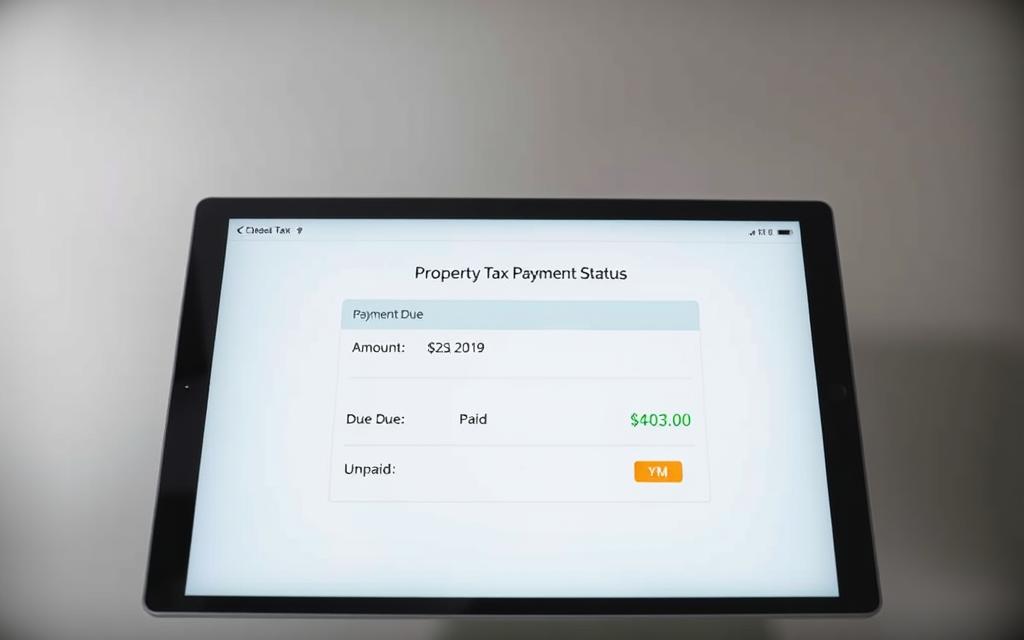
Did you know 2.2 million U.S. homeowners face property tax problems each year? It’s important for every homeowner to know how to check their property tax status. This helps avoid big financial troubles.
Property taxes help pay for local services. There are many ways to check if you’ve paid your property taxes. These taxes help fund schools, emergency services, and more.
Knowing if your property taxes are paid is key to avoid legal and financial problems. It’s important for both new and long-time homeowners. Keeping up with your property tax status is a big part of being financially responsible.
Key Takeaways
- Property taxes fund critical local community services
- Multiple methods exist to check property tax payments
- Regular tax status verification prevents possible legal issues
- Online resources make checking property tax status easy
- Understanding tax payment history helps with financial planning
Understanding Property Taxes
Property taxes help fund local governments and services. They are important for homeowners to understand. When you look up tax records, you’ll see how property taxes support local needs.
What Are Property Taxes?
Property taxes are yearly fees from local governments. They are based on your home’s value. These taxes help pay for:
- Public schools
- Emergency services
- Road maintenance
- Municipal infrastructure
How Property Taxes Are Calculated
Local assessors figure out tax rates by looking at your home’s value. To check if you paid your taxes right, it’s good to know how they’re figured. The process includes:
- Looking at recent sales in your area
- Checking your property’s improvements
- Figuring out the tax rate
Importance of Staying Current on Payments
Keeping up with property taxes is very important. On-time payments avoid legal issues and protect your home. Not paying on time can cause big financial problems, like liens or even losing your home.
A Property Tax Receipt is key proof of your payments. Keeping these records helps you stay on top of your taxes. It also shows you’ve paid on time when needed.
Why Check on Property Tax Payments?
Managing property taxes is key for homeowners. It affects your money a lot. Knowing your tax status helps avoid big money problems and legal issues.
Watching your property tax payments online can stop many problems. If you ignore this, you could face big troubles. These troubles are not just about money.
Consequences of Unpaid Property Taxes
Not paying property taxes can cause big money risks:
- Accumulation of substantial late fees
- Growing interest charges on outstanding balances
- Potential tax liens against your property
- Risk of property foreclosure
Benefits of Regularly Checking Payment Status
Checking your tax payment history often has many benefits:
| Benefit | Description |
|---|---|
| Financial Control | Track and manage tax obligations effectively |
| Avoid Penalties | Prevent late fees and interest accumulation |
| Legal Protection | Maintain clear Property Tax Records and prevent legal issues |
| Credit Score Preservation | Prevent negative impacts on your credit rating |
If you’re unsure, check Local Tax Office resources or online. This way, you can make sure your property is okay.
Different Ways to Check Property Tax Payments
Property owners can check their tax payments in many ways. This makes it easier to find out about property taxes in different places.
There are several ways to track property taxes. These methods help homeowners keep up with their tax payments. They are useful for finding and checking tax records.
Digital Verification Channels
Today, there are many digital ways to check tax status. These include:
- Online county tax assessor websites
- Mobile apps for tax info
- Local government digital portals
- State-level property tax databases
Online County Tax Assessor Websites
Most counties have online sites for property taxes. Here, you can:
- Search tax records by address or parcel number
- See current and past payment info
- Download payment receipts
- Check if you owe any money
Mobile Apps for Property Tax Information
Smartphone apps have changed how we track taxes. They offer real-time tracking, reminders, and ways to pay directly.
Local Government Offices and Public Records
Some people like to check taxes in person. County treasurer offices and public records can give detailed tax histories. They can also answer questions about property taxes.
Using Online County Tax Assessor Websites
Online county tax assessor websites make finding property tax info easy. They let you View Property Taxes and see important financial details about your property.

When you do a County Tax Lookup, you need some info. This info helps you find your records online.
Essential Information for Tax Records Access
Before you start your Tax Information Search, get this info ready:
- Property address
- Parcel or property identification number
- Owner’s full legal name
- Most recent tax bill information
Website Navigation Tips
Counties have different website designs, but they’re similar. Here’s how to find tax info fast:
- Find the Property Tax or Assessor section
- Click on “Search Property Records”
- Put in your property details
- Look at your tax payment history
| Website Feature | Typical Availability |
|---|---|
| Online Payment Options | Most county websites |
| Tax Bill Downloads | 95% of county sites |
| Payment History | 80% of county sites |
Pro tip: If you’re stuck, call the county tax assessor’s office. They can help with your online tax search.
Searching Online for Property Tax Status
Looking for property tax info online is easier now. You can find payment records quickly with the help of online tools. These tools make it simple to check if you’ve paid your property taxes.
Finding your property tax details online needs a plan. Each town has its own website for tax info. These sites help you get the tax details you need fast.
Utilizing Property Addresses
Using your property’s address is a good way to start. Here’s how:
- Find your county assessor’s website online.
- Type in your full street address.
- Choose your property from the list.
- Then, see if you’ve paid your taxes.
Using Parcel Numbers for Precise Searches
Parcel numbers are even better for finding tax info. You can find them on:
- Property tax bills.
- County assessor documents.
- Old mortgage papers.
Using parcel numbers gives you the exact tax info you need. It makes sure you get the latest tax records.
How to Check Property Taxes Through Mobile Apps
Managing property taxes is now easier with mobile apps. Homeowners can check their tax info on their phones. This makes tracking payments and records simple.
Mobile apps change how we deal with tax offices. They give fast access to important financial info. This helps homeowners keep up with their taxes.
Popular Property Tax Information Apps
- GovPayNow: Offers easy tax payment check features
- Property Tax Connect: Provides complete tax record access
- TaxSlayer Mobile: Helps track paid property tax receipt records
Key Features to Seek in Property Tax Apps
Look for these features in a property tax app:
- Real-time payment tracking
- Secure account authentication
- Instant receipt generation
- Notification alerts for upcoming tax deadlines
- Integration with local county tax office systems
The right app makes managing property taxes easy. It ensures you pay on time and have access to your records.
Visiting Local Government Offices
Getting property tax info can be easier in person. Online tools are great, but local offices offer a direct way to learn about taxes. They can also help with overdue taxes.
Preparing for Your Visit
Before you go to the local office, get your important papers ready. This makes your visit faster and easier.
- Bring your property deed or recent tax bill
- Have your property’s parcel number ready
- Prepare a list of specific questions about property tax liens
- Carry a valid government-issued photo ID
Key Departments to Contact
There are different offices for different tax tasks. Knowing which one to visit can save you time and stress.
| Department | Primary Responsibility | Contact Recommendation |
|---|---|---|
| Tax Assessor’s Office | Property valuation and tax assessment | First point of contact |
| Treasury Department | Payment processing and tax collection | For payment history and current status |
| County Clerk’s Office | Property records and tax documentation | For historical tax information |
When you visit, be prepared with specific details about your property. Staff can help you with tax problems, check payment history, and talk about tax liens.
Pro tip: Call first to check office hours and what papers you need. This can save you a trip and make your visit more useful.
Contacting Your County Tax Collector

Checking property taxes can be hard. If you need to know about your Property Tax Status or unpaid taxes, call your county tax collector.
Talking to local tax people keeps homeowners up to date on taxes. It also helps find ways to pay. First, you need to find the right contact info.
Finding Reliable Contact Details
- Visit your county’s official government website
- Search for the tax collector or treasurer’s contact page
- Locate phone numbers and email addresses
- Check for specific department handling property tax inquiries
Essential Questions to Ask
When you call your tax collector, have some questions ready. This way, you’ll get all the info you need about your property taxes:
- What is my current property tax balance?
- Are there any outstanding or unpaid property taxes?
- What payment methods do you accept?
- Are there any available payment plans?
- What are the consequences of late payments?
Pro tip: Always document the name of the representative you speak with and the date of your conversation for future reference.
Understanding Payment History
It’s important to keep track of your property tax payments. This helps you stay on top of your finances. It also makes sure your records are correct.
When you look up your tax records, pay attention to a few things. Checking your past payments helps you see your spending patterns. It also helps you get ready for future taxes.
Reviewing Previous Tax Payments
To track your Property Tax Receipt, follow these steps:
- Gather all previous tax statements
- Compare annual payment amounts
- Check for consistency in payment dates
- Verify payment methods used
Identifying Payment Trends
Looking at your payment history can teach you a lot. Here’s how to spot trends in your Property Tax Payments:
| Year | Total Tax Paid | Payment Method | Notable Changes |
|---|---|---|---|
| 2021 | $3,200 | Online Payment | Base Rate |
| 2022 | $3,450 | Online Payment | 6.25% Increase |
| 2023 | $3,675 | Online Payment | 6.5% Increase |
Pro tip: IRS Form 1098 can help confirm your total annual property tax payment if you paid $600 or more in mortgage interest during the tax year.
Exploring State Databases
Looking into state property tax databases is a great way for homeowners to get all the Property Tax Info they need. Each state has its own online tools. These make it easy to check tax info and learn about local rules.

State Online Property Tax Check systems give important info to property owners. They make it easy to find tax-related info online.
Accessing State-Specific Property Tax Information
Different states handle property tax in their own ways. You can find:
- Comprehensive tax assessment portals
- Interactive property search tools
- Tax relief program databases
- Historical tax payment records
Utilizing State Resources for Homeowners
Homeowners can use state databases to Check Local Tax Office info and see Tax Payment History easily. These sites give detailed info on property values, tax rates, and exemptions.
| State Resource | Key Features | Accessibility |
|---|---|---|
| New York State Property Tax Portal | Comprehensive assessment records | Online 24/7 |
| California Tax Information System | Detailed property valuation tools | Web and mobile access |
| Texas Property Tax Database | Historical payment tracking | Secure online platform |
Homeowners who check these state databases often can save time. They also avoid tax problems.
What to Do if Taxes Are Unpaid
Discovering unpaid property taxes can be stressful for homeowners. It’s important to know how to find tax records and what might happen. Taking action quickly can prevent big problems and keep your property safe.
- Contact your local tax collector’s office right away
- Ask for a detailed Tax Payment Status Guide
- Talk about payment options
- Look into financial help programs
Navigating the Tax Lien Process
Tax liens can really affect owning property. If tax records show unpaid taxes, the government might put a claim on your property. This lets them get the money they’re owed in different ways.
Not paying can lead to:
- Property tax foreclosure
- Bad credit report effects
- Selling tax debt to private investors
- More penalty fees and interest
Resolving Unpaid Property Taxes
Most places offer payment plans or help for hard times. Talk to tax officials early to find solutions. You might get installment plans, temporary breaks, or local help.
Getting help from a financial advisor can be very helpful. They can guide you through tax problems and protect your property rights.
Keeping Records of Property Tax Payments
Keeping track of property tax payments is very important for homeowners. It helps protect your money and makes things easier when you sell your property or search for tax info.
Keeping good records has many benefits. It helps prove you paid your taxes and keeps your financial history clear. This is very useful when you need to check if taxes were paid or look up county tax info.
Why Record-Keeping Matters
- Provides proof of payment for legal and financial purposes
- Helps during property sales and ownership transfers
- Supports accurate View Property Taxes tracking
- Protects against possible billing mistakes
Best Documentation Methods
Here are some good ways to keep your property tax payment records:
- Digital Storage: Save electronic copies of tax receipts and payment confirmations
- Create both physical and digital backup systems
- Maintain records for at least 7 years
- Organize documents in order
Using digital platforms and cloud storage is a safe way to keep your tax documents. Always keep the original receipts. Also, make sure to have many backup copies. This way, your financial records will be safe and easy to find.
Planning for Future Property Tax Payments
Managing property taxes needs smart planning and good money management. Homeowners can lower stress and avoid fines by using smart payment plans for their tax site duties.
Good property tax management includes several important steps. These steps help homeowners track and pay their taxes on time.
Setting Effective Payment Reminders
Keeping up with property tax deadlines is key. Homeowners can use many ways to remember payment dates:
- Digital calendar alerts
- Mobile app notifications
- Email reminders from tax sites
- Automatic bank alerts
Exploring Property Tax Payment Plans
Local governments often have flexible payment plans for taxes. Knowing these options helps homeowners plan their budgets better.
| Payment Plan Type | Key Features | Potential Benefits |
|---|---|---|
| Quarterly Installments | Split annual tax into 4 payments | Easier budgeting |
| Monthly Payment Plans | Divide tax into 12 smaller payments | Reduced financial strain |
| Early Payment Discounts | Reduced rate for advance payments | Potential cost savings |
Planning ahead for property taxes keeps finances stable. Homeowners should talk to their local tax assessor. They can find the best payment plans for their needs.
Conclusion: Staying Informed About Property Tax Payments
Managing property tax payments needs constant focus and smart plans. Getting help with property taxes is key for homeowners. It helps keep finances stable and avoids legal issues.
Keeping track of your tax status is very important. It stops unexpected money problems. Getting a paid property tax receipt proves you paid on time. It also keeps your financial records clear.
Experts say to look for local help if you’re struggling with taxes. This can make a big difference. It helps you stay on top of your tax payments.
Staying informed means watching due dates and knowing how to pay. It also means talking to local tax people. Use online tools and apps to keep up with your taxes.
By being careful and planning ahead, you can handle property taxes well. Stay active, informed, and ready. This way, you protect your home and manage taxes smoothly.
Learn How To See If Property Taxes Are Paid through online portals, county offices, or tax assessor websites. Get instant access to your property tax payment status and records.